Discreet Packaging
Secure Payment
Private Delivery
Worldwide Shipping
Adults Only 18+
Hi everyone. Recently, I came across a discussion where people were talking about women having a strong “grip” during intimacy. Some described it as unforgettable, while others claimed it could completely change the experience.
Naturally, I became curious.
What does this actually mean, and is there any science behind it?
After doing some research, I discovered that what many people describe as “grip strength” is often related to pelvic floor muscle control and a form of training known as Kegel exercises.
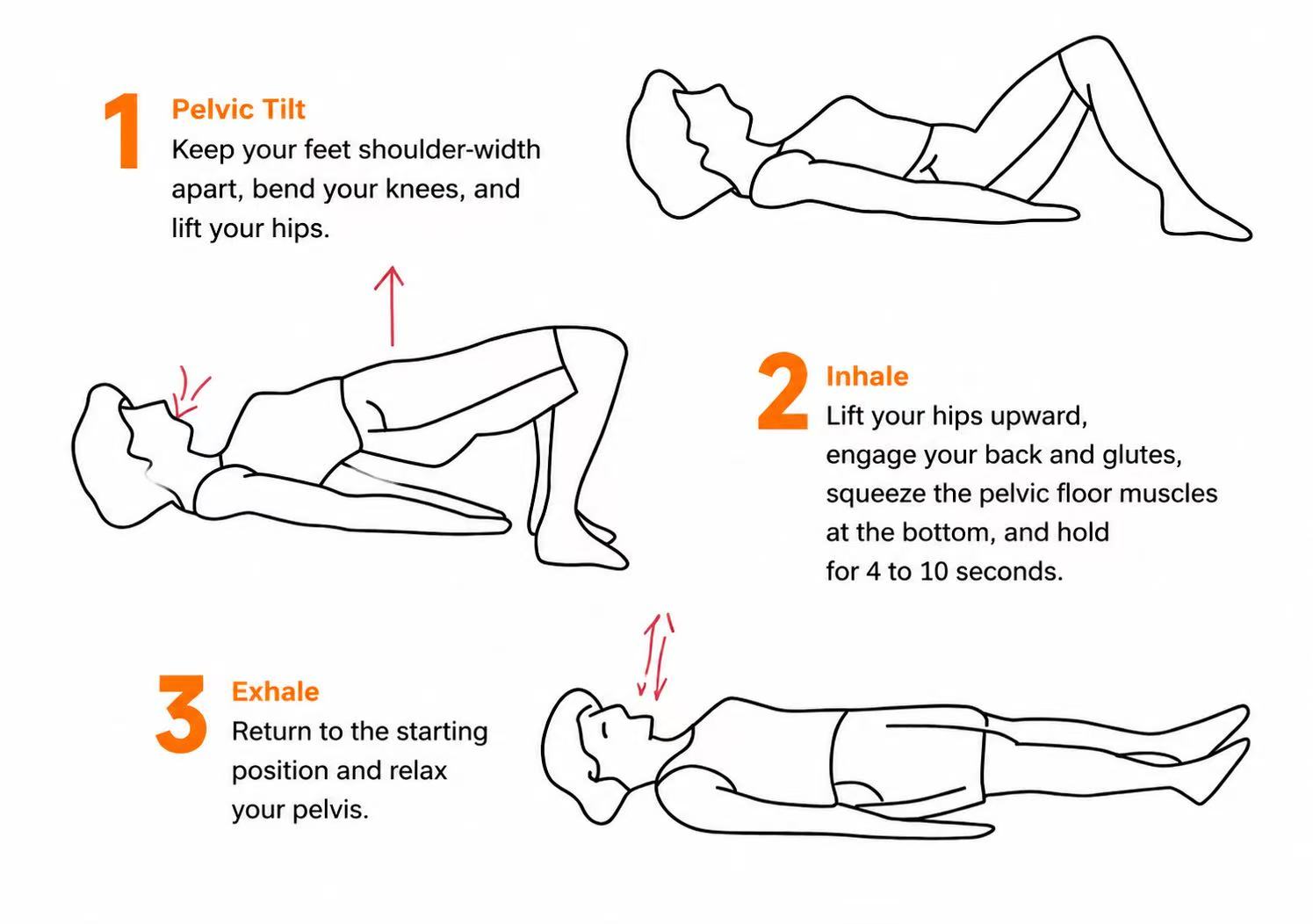
Kegel exercises are designed to strengthen the pelvic floor muscles, which support the bladder, uterus, and other pelvic organs.
They were originally introduced to help women improve bladder control and recover after childbirth. Over time, researchers discovered that stronger pelvic floor muscles may also contribute to greater body awareness and improved confidence during intimacy.
Today, Kegel exercises are widely recommended as part of women’s wellness and pelvic health routines.
The pelvic floor naturally contracts and relaxes throughout daily life. During moments of excitement, these muscles may become more active and responsive.
For some women, regular pelvic floor training can improve muscle control, coordination, and awareness. This may help create a stronger sense of connection with their body and contribute to a more satisfying intimate experience.
However, stronger is not always better.
Healthy pelvic floor function requires both strength and relaxation. Muscles that remain constantly tense can sometimes create discomfort instead of pleasure.
Many people assume tighter muscles automatically lead to better experiences. In reality, excessive tension can sometimes cause discomfort, pressure, or pain.
Some women may experience involuntary pelvic floor contractions or pelvic floor dysfunction. In those situations, relaxation techniques and professional guidance are often more important than additional strengthening exercises.
Comfort and communication should always come first.
Like any fitness routine, consistency matters more than intensity.
Simple Kegel exercises, breathing techniques, stretching, and regular physical activity can all contribute to better pelvic health.
The goal isn’t maximum tension. The goal is healthy control, flexibility, and awareness.
Pelvic floor training can be a valuable tool for women’s health and wellness. While it may influence intimacy, its benefits extend far beyond relationships.
Better posture, improved bladder control, increased confidence, and greater body awareness are all commonly associated with a healthy pelvic floor.
As 2025 comes to an end, there’s no better time to learn more about your body, strengthen your connection with your partner, and continue exploring what makes intimacy meaningful for both of you.
A healthy pelvic floor isn’t about being stronger than everyone else. It’s about achieving the right balance between strength, flexibility, comfort, and control.